

It’s that time of year yet again. The skies are grey, the sidewalks are dusted with snow, and the biting winter wind slices through each

The University of Chicago has a long, storied history within the field of economics. While Milton Friedman looms large within Chicago’s legacy, The Monetarists explores

In Easy Money: American Puritans and the Invention of Modern Currency, Dror Goldberg tells the lesser-known history of how modern money was invented in a

Phenomenal World Books is a new publishing endeavor that seeks to elevate the political-economic investigations necessary to understanding the social world. Aimed at cohering a

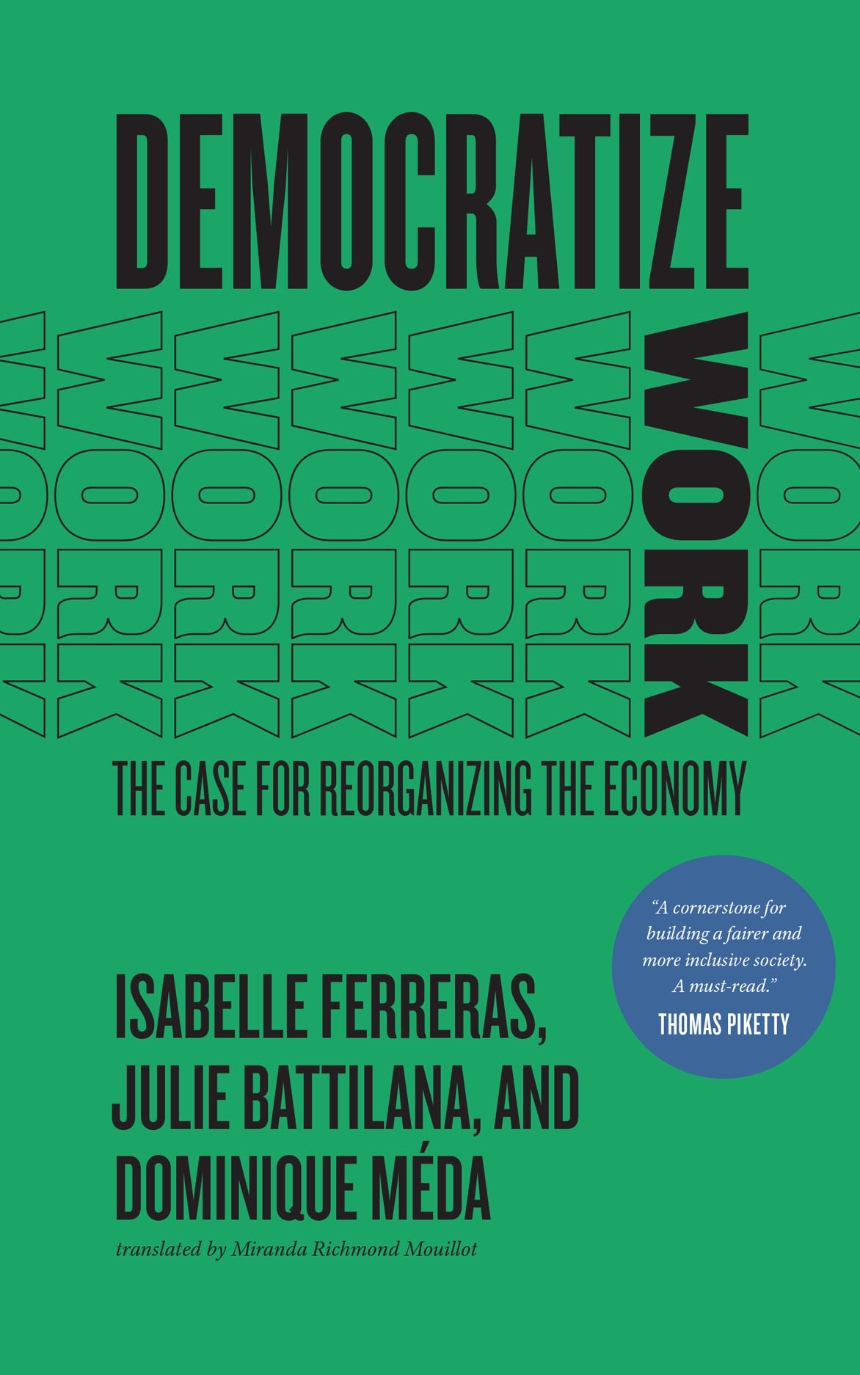
In Democratize Work: The Case for Reorganizing the Economy sociologists Isabelle Ferreras, Julie Battilana, and Dominique Méda interrogate how capitalism has dwarfed democracy, leading to
The time has come. Flat, blue skies press down overhead, a few eager leaves begin to wither on their branches, and there’s the slightest coolness

In their new book, Leave Me Alone and I’ll Make You Rich, economists Deirdre McCloskey and Art Carden summarize what they call “The Bourgeois Deal.”

Archive, Author Essays, Interviews, and Excerpts, Commentary, Economics, History, Politics and Current Events
Economist and Press author Price V. Fishback shared with us recently his thoughts on a previous Press book that speaks to our current situation and

Contemporary debate around inequality is centered on a common theme: capital. Capital, broadly speaking, is wealth. People who have capital enjoy more leverage, security, and

Chad Zimmerman recently joined the Press as executive editor in the Books Division, acquiring new titles in economics, business, and public policy. Chad came to
View More